
Rapid Prototyping & Low-Volume Production Parts
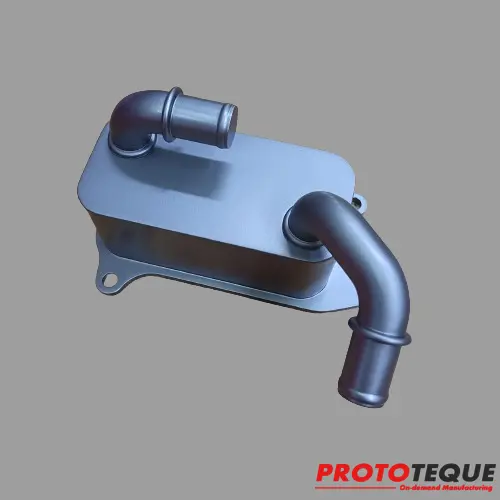
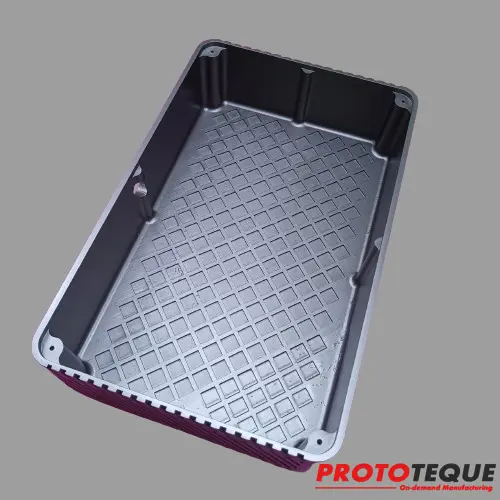
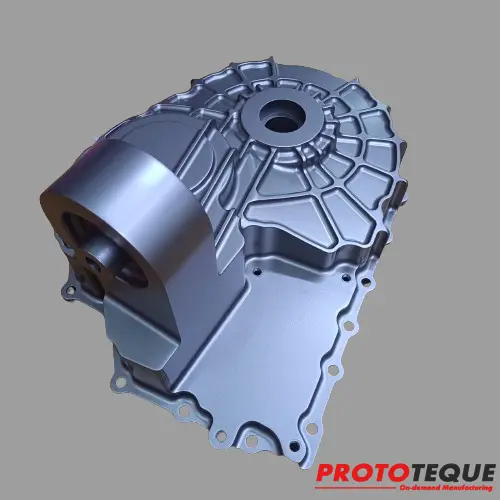
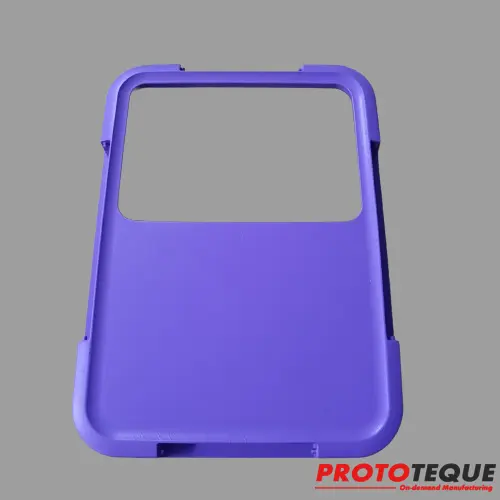
Accelerate your product development with our rapid prototyping service. Bypass costly and slow injection molding. We use urethane and vacuum casting to produce durable, functional prototypes and end-use parts in small batches—fast and cost-effectively.
Our Rapid Prototyping Process: From 3D File to Functional Part
This efficient process is the cornerstone of our rapid prototyping and low-volume production service. We create a master pattern from your 3D model, then a silicone mold, and finally cast high-fidelity polyurethane parts under vacuum—delivering quality parts without tooling investment.
Rapid Prototyping Scale and Precision
Our advanced casting systems support large-scale rapid prototyping, handling parts up to 1500mm x 1000mm while maintaining tight tolerances for accurate, reliable components.
Rapid Prototyping Material Library
Our urethane casting expertise allows us to bring your ideas to life with a wide range of materials. From the flexibility of soft rubber to the rigidity of ABS-like options, we offer:
- Elastomers: Soft, hard, and silicone rubber for flexible components.
- Plastics: ABS-like, ABS+PC-like, PC-like, PMMA like and PP-like materials for durable parts.
- Engineered Materials: Nylon+30% glass fiber like, POM

How It Works: Rapid Prototyping via Vacuum Casting
Step 1: Master Pattern for Rapid Prototyping
The master pattern is a replica of the 3D model, but it is made from a more durable material, such as metal or resin.
The master pattern is used to create the silicone mold, which will be used to cast the final product.
There are two main ways to build the master pattern (CNC machining and 3D printing).
Choose between CNC machining or 3D printing for your master pattern based on precision, speed, and cost—both methods support efficient rapid prototyping.
CNC offers superior accuracy but is slower and more expensive. 3D printing is faster, cheaper, and ideal for prototyping, but may compromise precision.
Consider your project’s specific needs to select the best method for your rapid prototyping workflow.
Step 2: Silicone Mold for Rapid Replication
To create a silicone mold, the master pattern is first secured within a sealed metal or bakelite container.
Liquid silicone rubber is then poured around the pattern, filling the container.
The sealed container is placed in an oven and cured for approximately 20 minutes. Once cured, the silicone mold is removed from the container, leaving behind a precise replica of the master pattern.
This reusable mold is key to producing multiple copies quickly in a rapid prototyping process.
Step 3: Vacuum Casting for Flawless Prototypes
Mix the two parts of the polyurethane resin in a specific ratio according to the manufacturer’s instructions.
Place the mixed resin in a cup or container and place it into a urethane casting machine.
Place the urethane casting mold into the machine and activate the vacuum function. This process removes air bubbles from the mold and ensures a smooth, bubble-free finish—a crucial step for high-quality rapid prototyping. The vacuum process typically takes around 30 minutes.
Once the vacuum is complete, the machine will pour the mixed polyurethane resin into the urethane casting mold. The resin will fill the mold and cure, creating the final product ready for prototyping or low-volume use.
Step 4: Part Removal in Rapid Prototyping
Once the resin has cured, the silicone mold is opened, and the final product (a urethane molded part) is removed.
Urethane molded parts often have flashes or burrs that need to be removed through trimming or deburring processes.
The silicone mold can typically be reused to create 20–30 copies of the product before it may require maintenance or replacement, making it ideal for cost-effective rapid prototyping and small-batch production.
Step 5: Finishing Your Prototype
The final stage in the vacuum casting process is to finish the parts.
This may include sanding, polishing, and, depending on the customer’s specifications, painting.
All parts, whether painted or not, are typically polished before shipment to ensure a smooth and visually appealing finish.
This step ensures that your rapid prototyping results not only function well but also look like production-ready parts.
Start Your Rapid Prototyping Project
Upload your 3D file today for a free quote and design review. Experience fast, flexible, and high-quality rapid prototyping with our vacuum casting service.